
Basic Care Guide for Highland Cattle
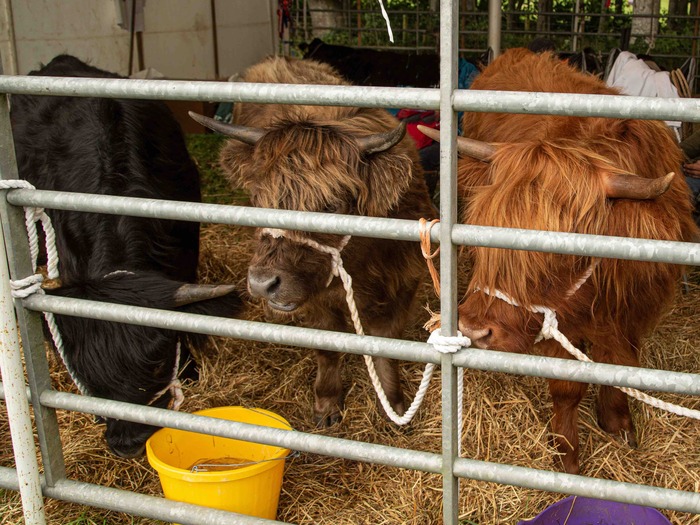
Highland cattle are known for their hardiness, calm temperament, and ability to thrive in a variety of environments. While they are considered one of the easier cattle breeds to maintain, proper care is still essential to ensure healthy, happy, and productive animals.
Whether you are raising Highlands for breeding, companionship, agritourism, or beef production, understanding their daily needs is the foundation of responsible ownership.
Shelter & Environment
Proper Shelter
Although Highland cattle are extremely tolerant of cold weather due to their thick double-layered coats, they still require protection from harsh environmental conditions.
Highlands should always have access to:
-
A dry resting area
-
Wind protection
-
Shade during hot weather
-
Clean, well-drained ground
Simple three-sided shelters, loafing sheds, or natural windbreaks often work well.
Hot Weather Care
Highlands tolerate cold climates exceptionally well but can struggle in excessive heat because of their heavy coats.
In warmer climates, it is extremely important to provide:
-
Large shaded areas
-
Constant fresh water
-
Proper airflow
-
Mud-free cooling areas
-
Fans or misting systems when necessary
Signs of heat stress may include:
-
Heavy panting
-
Drooling
-
Lethargy
-
Reduced appetite
-
Rapid breathing
During extremely hot weather, cattle should be monitored closely.
Feeding & Nutrition
Grass & Pasture
Highland cattle are efficient grazers and thrive primarily on pasture and forage-based diets.
Healthy pasture should include:
-
Quality grasses
-
Mixed forage
-
Rotational grazing when possible
Rotational grazing helps:
-
Prevent overgrazing
-
Improve pasture health
-
Reduce parasite exposure
-
Increase forage production
Hay Feeding
When pasture is limited or during winter months, good-quality hay becomes essential.
Highlands generally do well on:
-
Grass hay
-
Mixed grass hay
-
Moderate alfalfa supplementation when needed
Hay should always be:
-
Dry
-
Mold-free
-
Dust-free
-
Properly stored
Poor-quality hay can lead to:
-
Digestive issues
-
Weight loss
-
Respiratory problems
Grain & Supplements
Highland cattle usually require less grain than many commercial cattle breeds.
Excessive grain feeding can cause:
-
Obesity
-
Calving complications
-
Digestive disorders
-
Reduced longevity
Grain may be used in moderation for:
-
Growing calves
-
Lactating cows
-
Weight gain programs
-
Harsh winter conditions
Minerals & Salt
Minerals are critical for overall health and proper development.
Highlands should always have access to:
-
Loose cattle minerals
-
Salt blocks or loose salt
-
Fresh clean water
Important minerals include:
-
Calcium
-
Phosphorus
-
Magnesium
-
Selenium
-
Copper (carefully balanced)
Mineral deficiencies can affect:
-
Fertility
-
Hoof health
-
Growth
-
Immune system performance
Water Requirements
Fresh water must be available at all times.
An adult Highland can consume large amounts of water daily depending on:
-
Temperature
-
Feed type
-
Lactation status
-
Activity level
Water sources should be:
-
Clean
-
Unfrozen in winter
-
Regularly checked
-
Free from contamination
Dirty water can quickly lead to illness and reduced feed intake.
Fencing & Containment
Highland cattle are intelligent, strong animals and require secure fencing.
Recommended fencing options include:
-
Woven wire fencing
-
High-tensile fencing
-
Strong electric fencing systems
-
Reinforced corner posts
Because Highlands naturally have horns, fencing should be durable and well-maintained.
Weak or decorative fencing may not withstand pressure from cattle rubbing or leaning.
Social Needs
Highland cattle are herd animals and should not be kept alone long-term.
They are happiest when housed with:
-
Other cattle
-
Compatible livestock companions
Keeping at least two animals together helps reduce:
-
Stress
-
Anxiety
-
Isolation-related behaviors
Social interaction is important for healthy mental and behavioral development.
Grooming & Coat Care
Coat Maintenance
Highlands naturally maintain much of their coat themselves, but occasional grooming can help:
-
Remove debris
-
Reduce matting
-
Improve cleanliness
-
Build trust with handlers
Brushing may be especially helpful during seasonal shedding periods.
Mud & Cleanliness
Excessive mud can contribute to:
-
Hoof problems
-
Skin irritation
-
Bacterial infections
Pastures and feeding areas should have:
-
Good drainage
-
Dry resting areas
-
Clean bedding when sheltered
Hoof Care
Highlands generally have strong, durable hooves, especially when raised on natural terrain.
However, hoof care is still important.
Hooves should be monitored regularly for:
-
Overgrowth
-
Cracks
-
Infection
-
Lameness
Soft muddy environments may increase hoof-related issues.
Some cattle may require periodic hoof trimming depending on:
-
Terrain
-
Activity level
-
Genetics
Veterinary Care
Routine Health Management
Even hardy breeds require regular veterinary attention.
Basic health care should include:
-
Vaccinations
-
Parasite control
-
Pregnancy monitoring
-
Routine health checks
A livestock veterinarian should be consulted to establish:
-
Vaccination schedules
-
Deworming plans
-
Regional disease prevention
Parasite Control
Internal and external parasites can affect Highlands like any other cattle breed.
Common parasites include:
-
Worms
-
Lice
-
Ticks
-
Flies
Signs of parasite problems may include:
-
Weight loss
-
Rough coat
-
Diarrhea
-
Itching
-
Poor growth
Rotational grazing and proper pasture management can help reduce parasite loads naturally.
Breeding & Calving Care
Highland cattle are known for:
-
Easy calving
-
Strong maternal instincts
-
Healthy calves
However, breeding animals still require proper monitoring and nutrition.
Pregnant cows should receive:
-
Adequate nutrition
-
Clean birthing areas
-
Reduced stress
-
Observation during calving season
Newborn calves should:
-
Nurse quickly
-
Remain warm and dry
-
Be monitored for healthy activity
Handling & Temperament
Highlands are generally calm and easy to work with when handled consistently and respectfully.
Positive handling practices include:
-
Calm movements
-
Consistent routines
-
Quiet interaction
-
Proper training
Avoid:
-
Rough treatment
-
Excessive stress
-
Aggressive handling
Even gentle cattle are still large livestock animals and should always be handled carefully.
Breeding bulls require experienced handling and additional safety precautions.
Seasonal Care
Winter Care
Highlands excel in cold weather but still require:
-
Wind protection
-
Extra hay during severe weather
-
Ice-free water
-
Dry bedding areas
Their thick coat naturally provides excellent insulation.
Summer Care
Summer management is especially important in warmer regions.
Highlands need:
-
Shade
-
Constant water access
-
Fly control
-
Cooling opportunities
Heat stress should never be ignored.
Mental Stimulation & Enrichment
Highland cattle are intelligent and curious animals.
They benefit from:
-
Large grazing areas
-
Interaction with herd mates
-
Routine human contact
-
Environmental variety
Well-socialized Highlands often become calm and enjoyable animals to work around.
Final Thoughts
Highland cattle are hardy, beautiful, and rewarding animals to raise, but proper care remains essential for long-term health and success.
With quality nutrition, clean water, secure fencing, routine health management, and respectful handling, Highland cattle can thrive for many years while becoming valued members of the farm.
Their calm personalities, resilience, and unique appearance continue to make them one of the most beloved heritage cattle breeds in the world.